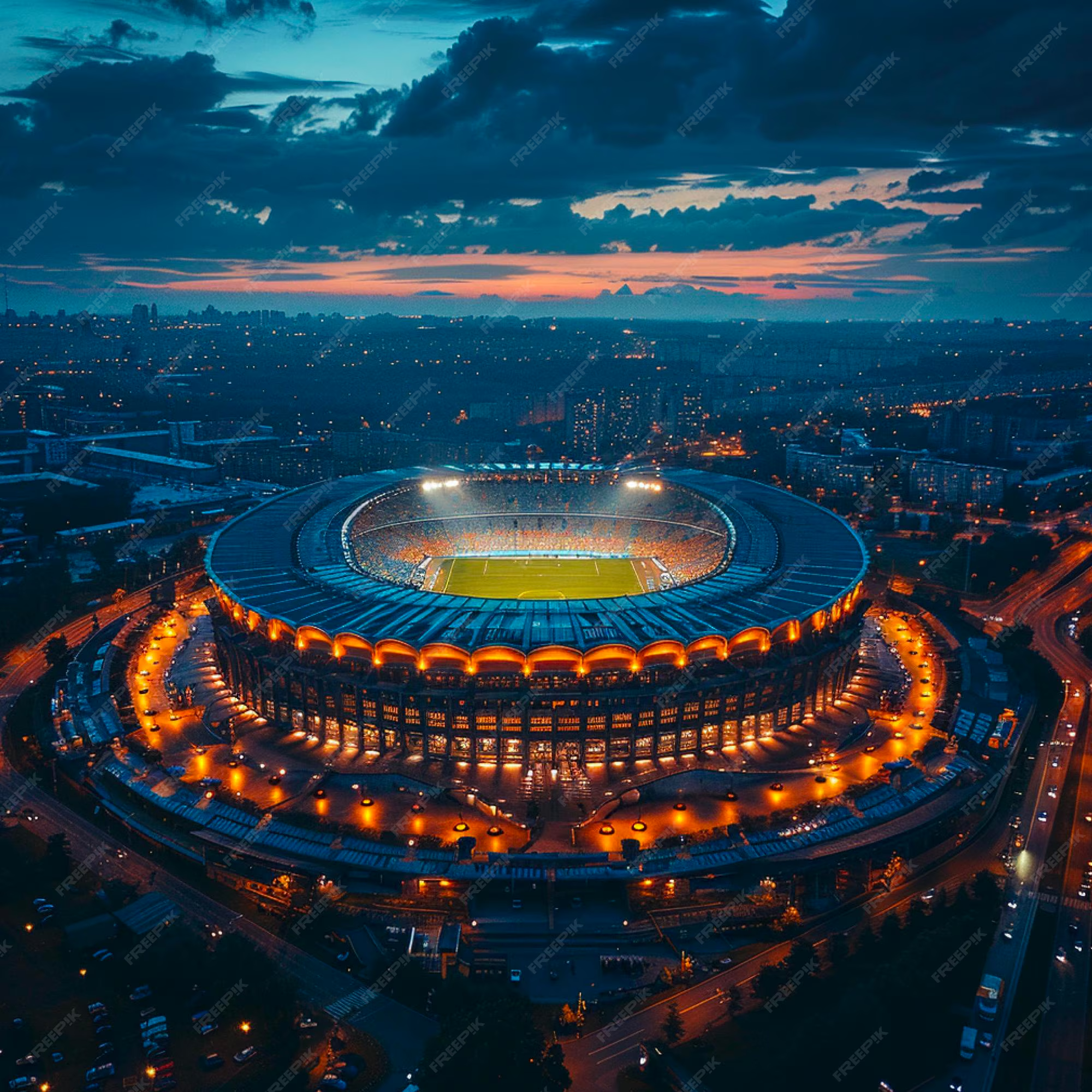
The talk of an Ibrox capacity increase is naturally going to get Rangers supporters buzzing. More seats, more noise, more demand met. But if we’re being honest, it’s not the lever that turns Rangers into a genuine heavyweight again. The modern game isn’t built on turnstiles alone, even for clubs with a loyal support that packs the place every other week.
Matchday helps, but it’s not the engine
The point is simple. Gate receipts matter, but they’re rarely the main earner for the biggest clubs. If you accept the general shape of the Football Money League picture, the top teams take only a relatively small share of their income from matchday. You can add 5,000 or 10,000 seats and it’s still a fraction of what the real giants pull in elsewhere.
That’s not arguing against improving Ibrox, by the way. Far from it. A better stadium experience, more hospitality, and a bigger capacity all strengthen the club’s baseline and the day-to-day feel around the place. It can help with season tickets, premium packages, and the sense that Rangers are moving forward. But it won’t, on its own, bridge the gap to clubs operating with a different level of budget.
Scotland’s TV money is what it is
We can all see the problem in Scotland. Broadcast money here isn’t close to what the top leagues bring in, and it only creeps up. That’s not bitterness, it’s just reality. Rangers can win titles, qualify for Europe, and still be living in a market where the television pot doesn’t transform your squad every summer.
So if you’re asking where the serious money comes from, you end up in the same place every time: commercial. Sponsorship, merchandising, international retail, and using the stadium as an events venue when the football isn’t on. Concerts, conferences, the kind of stuff that makes the lights stay on and then some.
The real target: a bigger Rangers commercial machine
The examples are obvious. The wealthiest clubs pull enormous income from commercial activity. Liverpool, for instance, have pushed their brand everywhere, with shops worldwide selling club products. That’s the scale we’re competing with, not just on the pitch but in the boardroom and marketing departments.
And if the people now steering the ship have serious experience of American sports models, they’ll already understand that maximising revenue isn’t just selling more tickets. It’s building a year-round business. Rangers have the fanbase and the identity to do it, but it takes focus and investment.
Because here’s the truth: if we’re serious about Danny being backed to go and find that higher bracket of player, the money has to come from somewhere. Stadium expansion can be part of the story, but it’s the commercial side that funds the ambition. Follow, Follow. The money.
One practical thought for Rangers
If Ibrox is being looked at, it makes sense to view it as more than extra seats. Improving hospitality, corporate areas, and non-matchday use can be a double win: better atmosphere on a Saturday, and more opportunities to earn on the other five or six days. That’s where a stadium can start behaving like an asset, not just a venue.
Related Articles

About Rangers News Views
Rangers News Views offers daily Glasgow Rangers coverage including match reaction, transfer analysis, SPFL context, tactical breakdowns and opinion-led articles written by supporters for supporters.