Ibrox: Fortress, Fear and Deafening Silence
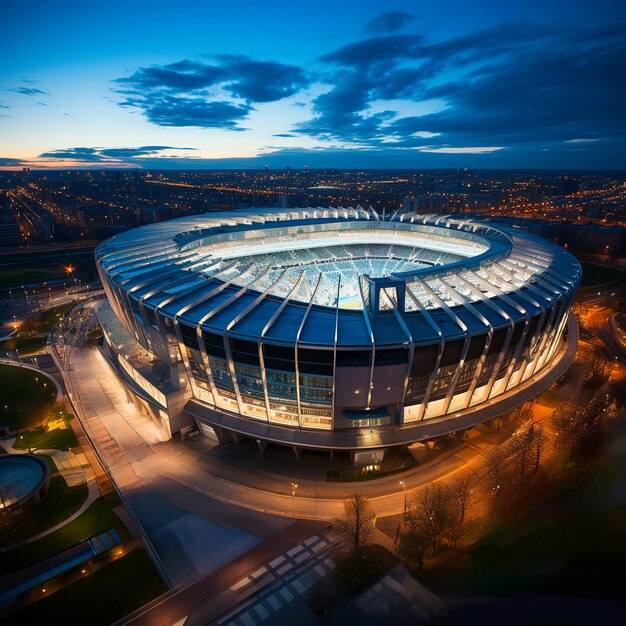
Ibrox is famed for its roar, but the same stands that inspire can also suffocate. A look at why some players thrive in Govan and others never quite come to terms with it.
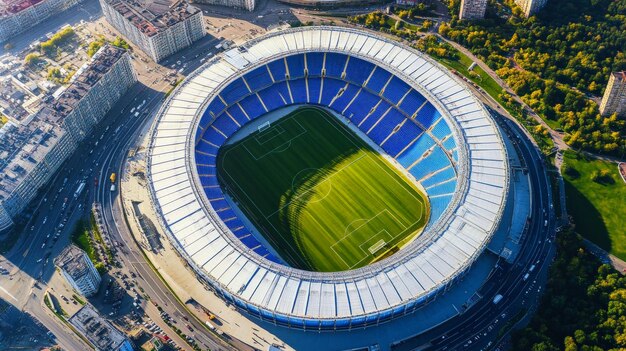
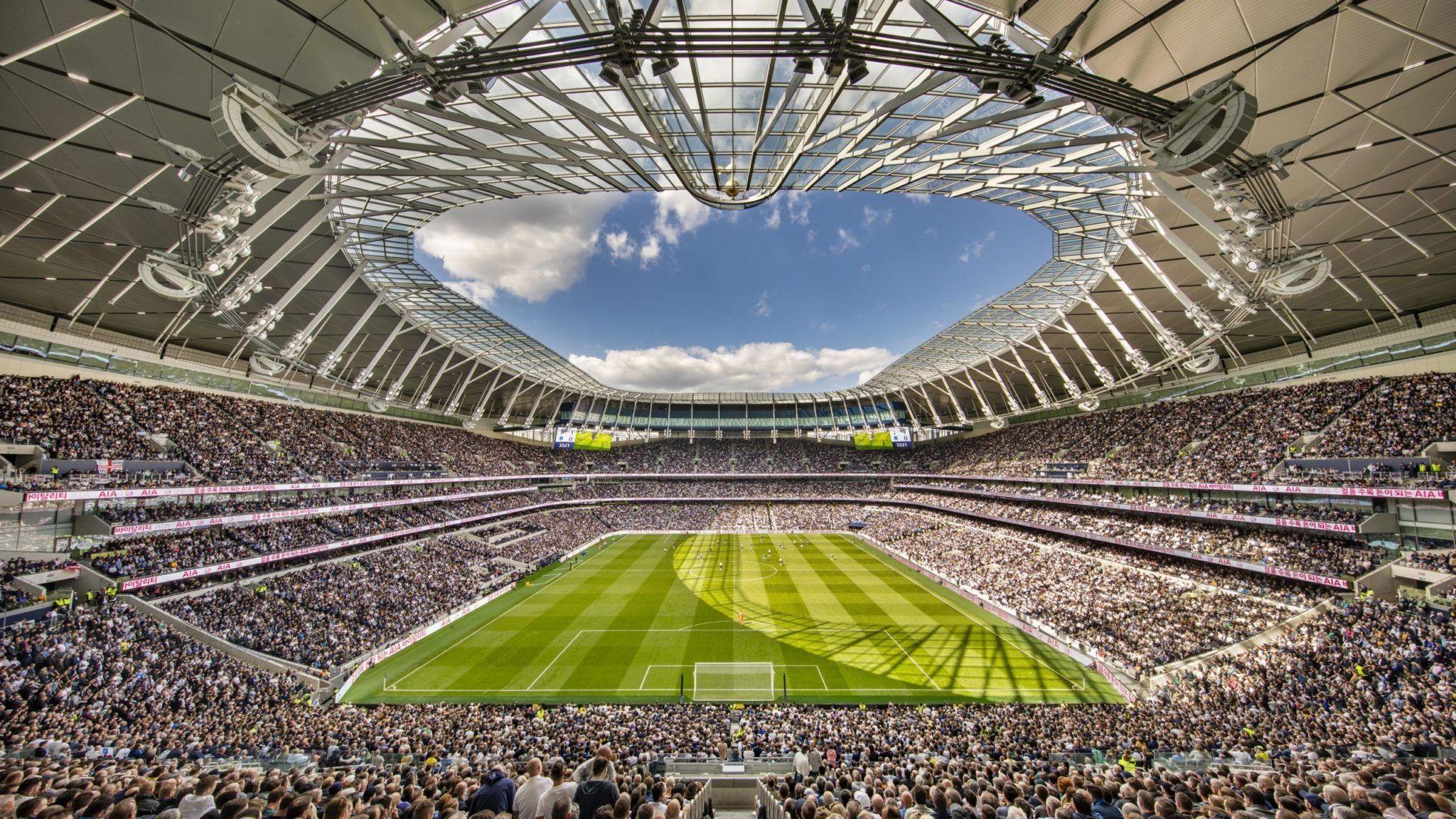
Ibrox on a big matchday is one of the most intense football experiences anywhere. Over 50,000 Rangers supporters can turn the old place into a wall of sound, and when it catches fire the players feed off it. The history, the expectation and the sheer noise all combine to create something that visitors regularly describe as hostile and intimidating.
But there is another side to Ibrox that is talked about far less. For all the famous nights and the full-blooded roar, it can also be one of the hardest grounds in the game for certain types of players to handle. The same closeness of the stands that makes it special can turn brutally unforgiving when things are not going well.
The unique pressure of a compact stadium
Ibrox is not like some modern bowl stadiums where the crowd feel distant from the pitch. It is relatively compact for its size, with supporters tight to the touchline on all four sides. That creates a very particular kind of pressure. Players cannot escape the reaction to every touch, every pass and every mistake, because they can hear it right in their ear.
For confident players who are in form, that intensity is a dream. Every tackle, every interception, every positive run is greeted with instant approval. The energy from the stands can drive the team forward and make Ibrox feel like a true fortress. Opposition players and managers have talked for years about the effect that can have.
For those who rely heavily on confidence, though, it can be a nightmare. One misplaced pass, one heavy touch, one poor decision, and the groans are unmistakable. It does not take much for a player already feeling the weight of the shirt to start hiding, taking fewer risks, and playing within themselves.
When the roar turns into a morgue
What makes Ibrox so unusual is how quickly the atmosphere can flip. On its day it is ferocious, but when things are flat it can fall into an eerie silence. Thousands of people saying almost nothing can be just as loud in a player’s head as a wall of noise.
That “morgue” feeling is something regulars at Ibrox recognise. The expectation is so high, and the standards set by the club’s history are so demanding, that patience can be thin. If the team are slow, tentative or careless in possession, the volume drops and every individual sound carries: the shout from a nearby supporter, the sigh after a mistake, the sharp word when someone loses the ball too easily.
Some squads and certain personalities have coped better with that than others. There was a clear sense during the Covid period, when matches were played behind closed doors, that a few players looked more relaxed and more expressive without the constant scrutiny of a full house. With no crowd, there were no groans, no muttering, no sharp intake of breath with every error. For some, that made it easier to perform.
Loving Ibrox, fearing its demands
None of this takes away from what Rangers supporters give the team. The bond between Ibrox and a Rangers side that is on the front foot is still one of the most powerful forces in Scottish football. Many players talk warmly about the pride of playing there and the power of that connection when the stadium is bouncing.
At the same time, it is fair to admit that not everyone is built for it. Some players never fully adapt to the constant expectation, the scrutiny and the emotional swings from roar to silence. Others absolutely thrive on it and grow into the jersey precisely because of that pressure.
Loving Ibrox does not mean pretending it is easy. It means recognising that the stadium is part of what makes Rangers different: a place that can lift the team to incredible heights, but one that will expose any weaknesses in mentality. The challenge for every squad and every manager is not just to use the noise, but to find players who can handle the quiet as well.
Additional Insight
Supporters across Europe talk about the psychological side of intense home grounds, and Ibrox is firmly in that category. The expectation level at Rangers is comparable with many clubs who are used to challenging for trophies every season. That comes with a demand for bravery on the ball and a willingness to keep showing for it even when things are not going well. The clubs and managers who have succeeded most consistently in these environments tend to recruit players with strong personalities and a proven record of coping with pressure. For Rangers, the aim is not to dilute what Ibrox is, but to build squads that treat the stadium’s demands as a privilege rather than a burden.
Discuss rumours and transfers on our Rangers rumours web site.