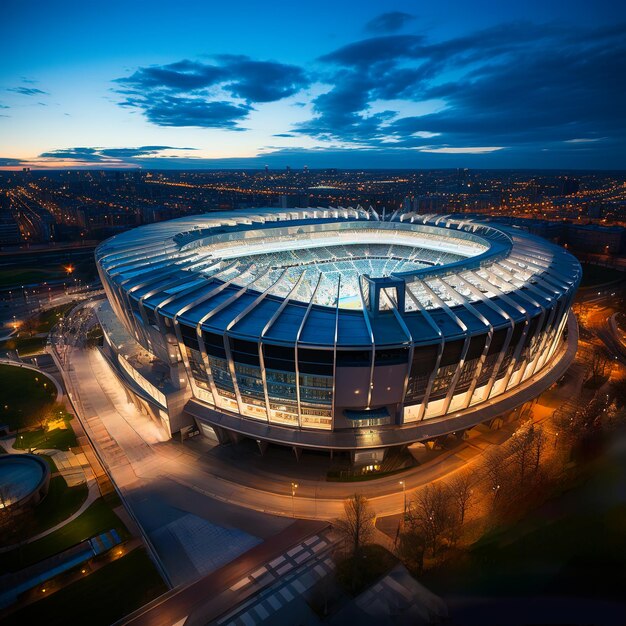
“Elite” is one of those football words that sounds simple until you actually try to pin it down. When I was growing up watching the game from the late 70s onwards, you didn’t need a UEFA coefficient table to know who the big beasts were. You just knew. Rangers and Celtic were the giants at home, and even when the New Firm under McLean and Ferguson shook things up, the idea of stature still meant something.
Back then, “elite” was built on stories, finals, great sides and proper football folklore. Everybody knew about Real Madrid. Ajax were spoken about like a footballing myth. Bayern were this relentless German machine. Celtic being the first British European Cup winners was common knowledge, the sort of thing that stuck even if you weren’t a Celtic supporter. Same with Man United being the first English club to win it. And when English teams started dominating in that late-70s, early-80s spell, you knew the names without needing a highlights package every week: Liverpool, Forest, Villa.
The old idea of elite: pedigree and memory
There’s also a very Rangers-specific part to this. I still remember watching Malmo lose a European Cup final, and I was genuinely gutted when Rangers came so close to reaching the final of the inaugural Champions League in 92/93. It’s not just nostalgia either. It’s a reminder that the European Cup and early Champions League felt more open, more reachable for clubs outside the same handful of super-rich leagues.
You can reel off loads of proper European winners from different countries and different eras: Barcelona, Inter, Juventus, Benfica, Porto, Dortmund, Hamburg, Feyenoord and plenty more. That spread matters because it underlines a point. “Elite” wasn’t only one postcode.
The modern version: money, leagues and closed doors
That’s why, for me, talking about “elite” under the current UEFA setup is close to a non-starter. Too many clubs are dining at the top table mainly because their league’s financial pulling power drags them there. It’s not that the teams aren’t good. Of course they are. But the definition has shifted from “what you’ve done and what you represent” to “what market you’re in”.
And you see the same pattern filtering through the Europa League and the Conference League too, where the big leagues still tend to swallow the later rounds. Olympiacos bucking the trend stands out precisely because it’s become so rare.
So where does that leave Rangers?
Truth is, maybe we need two definitions. One for historical elite, based on achievements and stature, where Rangers and Celtic have a place because of what the clubs have been and what they’ve won in their own context. And another for the current elite, based on present-day power and sustained performance at the very top, where clubs like PSG and Man City sit.
It’s not about pretending Scottish clubs are operating on the same resources. It’s about not letting a modern, money-shaped label erase the history that made European football matter in the first place.
Related Articles


About Rangers News Views
Rangers News Views offers daily Glasgow Rangers coverage including match reaction, transfer analysis, SPFL context, tactical breakdowns and opinion-led articles written by supporters for supporters.