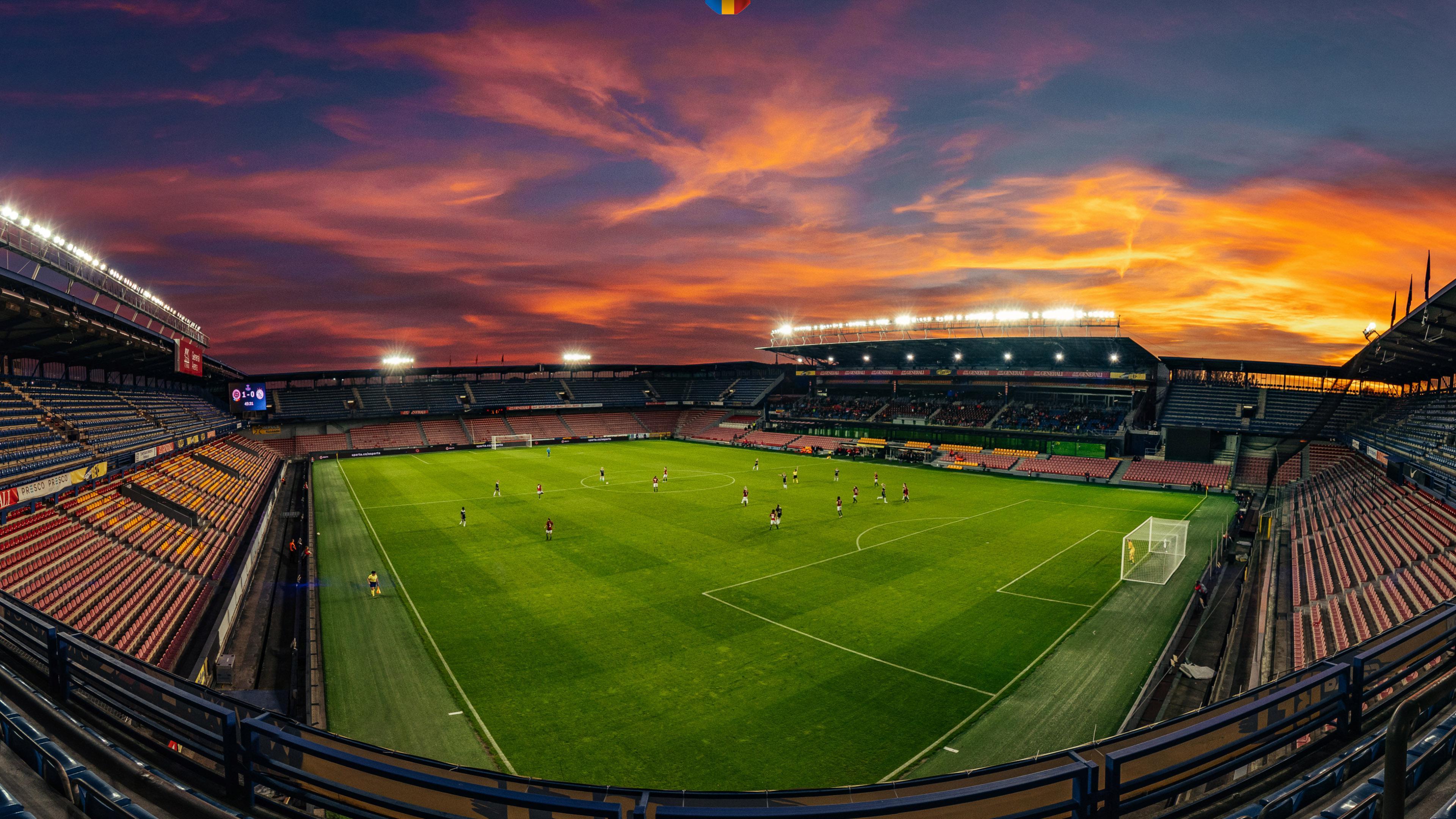
The gist is simple: when both Raskin and Devlin drop too deep we end up with a midfield-shaped hole and isolated forwards. The Aberdeen game showed that a higher, more compact midfield gives us better connections and a chance to control the game. So why do both sit on top of the centre-backs and invite a 20-yard gap?
What I actually saw
At times we had both midfielders almost on the centre-backs' shoulders, picking the ball out of defence rather than occupying the space between the lines. The result was predictable — the front three had to chase the ball into pockets that weren’t there and the team lost any real vertical threat. To be fair, dropping deep can help us circulate out from the back, but when both midfielders do it at the same time the balance disappears.
Roles that make sense
Devlin looks more comfortable as the sit-and-cover type: screening the back four, tidying up loose balls and breaking play up. Raskin, on the other hand, has the sort of carrying ability and forward pass to influence the game higher up. You can see why the combination works when one stays and the other goes. Put both on the same job and we lose the link between defence and attack.
Small tweaks, big difference
We don’t need a tactical revolution, just clearer instructions and a bit of discipline in positioning. Let Devlin protect the back four; let Raskin occupy the space between opposition midfield and defence, carrying the ball or probing with line-breaking passes. Keeping the midfield 10–15 yards higher, as in the Aberdeen game, makes us more compact and gives the forwards service. If Derek McInnes and the coaching staff can nail that balance we'll look a lot more cohesive. Simple as that — stop making the forwards bridge a needless gap.
Related Articles
About Rangers News Views
Rangers News Views offers daily Glasgow Rangers coverage including match reaction, transfer analysis, SPFL context, tactical breakdowns and opinion-led articles written by supporters for supporters.